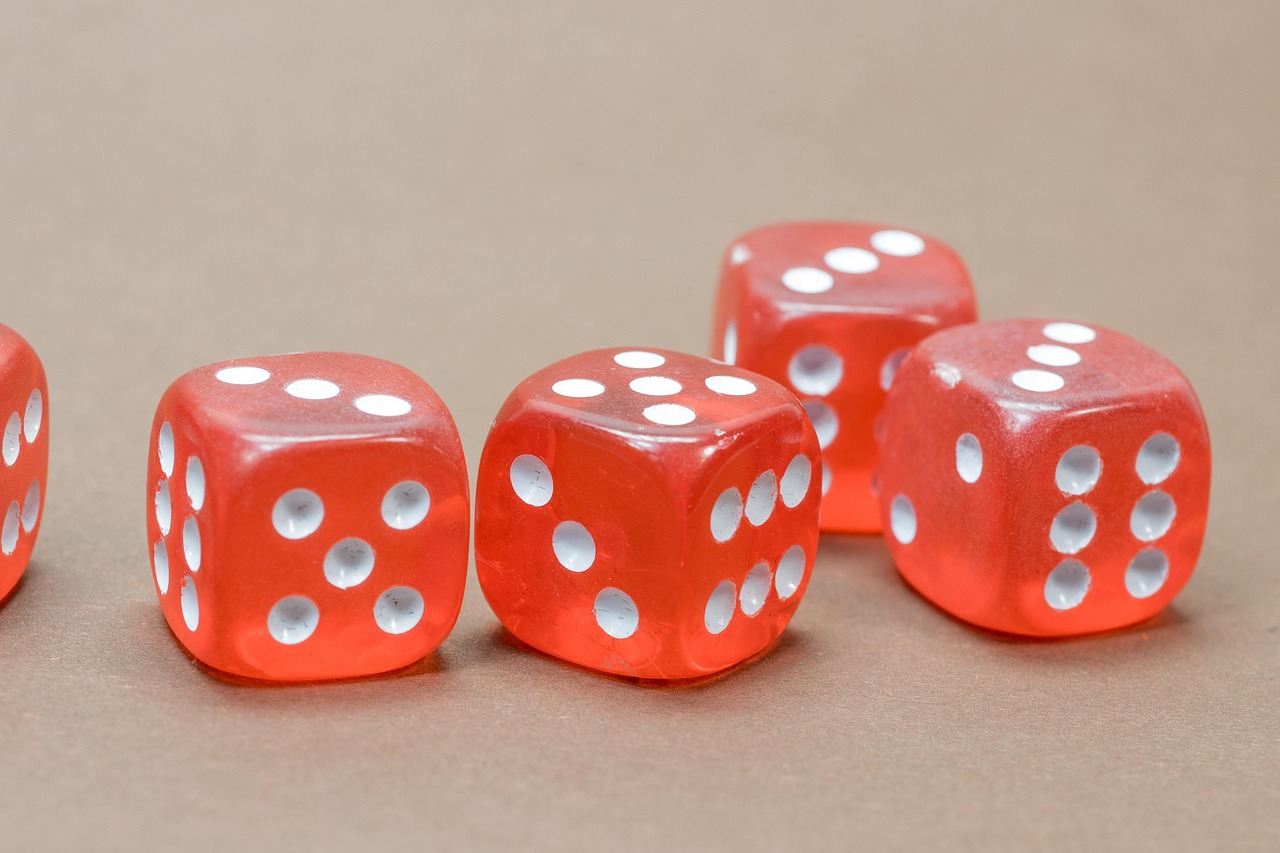


You sit down at a blackjack table in Las Vegas. The dealer flips an ace. You’ve got a 16. Do you hit or stand? That moment—a split-second decision based on probability, psychology, and a little bit of gut—is the perfect illustration of why casino games aren’t just about luck. They’re a complex dance between chance and skill, and understanding where each game falls on that spectrum can transform how you play, how you bet, and how you enjoy the entire experience.
Most players never stop to ask: am I playing a game where my decisions matter, or am I just paying for entertainment? The answer changes everything from your bankroll strategy to your emotional attachment to a win. Let’s break it down, game by game, without the usual hype.
Let’s get one thing straight: slots are almost entirely luck-based. The outcome of every spin is determined by a random number generator (RNG) that cycles through thousands of numbers per second. When you hit “spin,” the RNG picks a sequence, and that sequence determines where the reels stop. You cannot influence it. No pattern, no hot streak, no “due” machine. The house edge on a typical slot is between 2% and 10%, meaning for every $100 wagered, you’ll lose $2 to $10 on average over the long run.
But here’s the nuance: slot volatility is your only real decision point. High-volatility slots (like Book of Dead or Bonanza) pay rarely but can pay huge. Low-volatility slots (like Starburst) pay frequently but smaller amounts. Choosing a slot that matches your bankroll and tolerance for risk is a skill—just not one that changes the odds. If you have $50 and want to play for an hour, a low-volatility slot is your friend. If you’re chasing a jackpot, high volatility is the only way. That’s strategy, not control.
Now we’re in different territory. In blackjack, the house edge can drop to 0.5% or lower if you play perfect basic strategy. That’s a massive difference from slots. Basic strategy is a mathematically optimal way to play every hand based on the dealer’s upcard and your cards. For example, always split aces and eights, never split tens, and hit a soft 17 against a dealer’s 7 or higher. Memorizing this chart takes a weekend, but it’s the difference between a 2% house edge and a 0.5% edge.
Poker is the ultimate skill game. In the long run, a skilled player can consistently beat weaker opponents because you’re not playing against the house—you’re playing against other people. The house takes a rake (a small cut of each pot), but your edge comes from reading opponents, managing pot odds, and exploiting mistakes. A world-class poker player can have a positive expected value (EV) over millions of hands. A slot player never can.
Video poker sits in between. With perfect strategy on a game like Jacks or Better (9/6 pay table), the house edge is just 0.46%. But make one wrong hold—like keeping a low pair instead of a four-card flush—and that edge swings back to the house. Here’s a quick comparison: For more on this, see rik vip.
Sports betting is a fascinating hybrid. The bookmaker sets odds based on probability, but those odds are influenced by public opinion, injuries, weather, and sharp money. A casual bettor who picks teams based on fandom will lose roughly 4.5% per bet (the standard vig). A sharp bettor who line-shops, understands closing line value (CLV), and exploits soft lines can win long-term. The key skill? Bankroll management and not chasing losses. If you bet $100 on a -110 line, you need to win 52.4% of your bets just to break even. That’s a narrow margin. The best sports bettors hit 55–57% and treat it like a business, not a hobby.
Here’s the psychological trap: casinos design games to make you feel like you’re in control, even when you’re not. Slot machines have “near miss” symbols—two cherries and a blank—that trigger the same dopamine response as a win. Blackjack players can touch the cards (in hand-held games), which increases the illusion of control. Roulette players spread chips in elaborate patterns, as if the layout matters. It doesn’t.
But that illusion isn’t always bad. It’s why poker and blackjack are so engaging. The problem is when players confuse the feeling of control with actual control. If you’re playing slots and think you’re “due” for a bonus, you’re not. If you’re playing blackjack and ignore basic strategy because you “feel” the next card is a ten, you’re leaking money. The smartest players know exactly which games reward skill and which ones are pure entertainment—and they budget accordingly.
First, decide what you want from your session. If you want a shot at a life-changing payout with zero mental effort, play slots—but set a loss limit and stick to it. If you want to grind a small edge, learn basic strategy for blackjack or video poker. If you want to compete against other humans, play poker. If you love sports, learn about closing line value and bankroll management.
Second, never chase losses in a luck-based game. That’s the fastest way to turn a fun evening into a disaster. Third, track your results. Not just wins and losses, but your decisions. Did you split tens because you were frustrated? Did you bet on a parlay because you were bored? Those are skill leaks, and fixing them improves your overall EV.
Finally, remember that the house always has an edge in games of pure chance. The only way to beat them long-term is to play games where skill outweighs that edge—and even then, only if you’re better than the average player. That’s a high bar, but it’s what makes the challenge exciting.
Next time you sit at a table or fire up a slot, ask yourself: is this a game of luck, skill, or both? If it’s luck, accept it, enjoy the ride, and don’t fool yourself into thinking you can beat the RNG. If it’s skill, put in the work—study, practice, and review. The players who win consistently aren’t the luckiest; they’re the ones who understand exactly where their edge comes from and where it doesn’t. That’s the real secret the casino doesn’t want you to know: you can’t change the odds, but you can change which games you play and how you play them. And that’s a skill worth mastering.

Hidden Column shares practical, down-to-earth guidance on hidden local history and heritage for readers across the UK.


Leave A Comment